DownTown Company Luxury Cotton Mattress Pad
Experience breathable, softly cushioned comfort that stays put all night—easy care, durable luxury, and a tailored, secure fit for any bed.
A practical, editorial guide to the material differences between organic and traditional mattresses, exploring certifications, durability, temperature regulation, and long-term health considerations. From GOTS to Oeko-Tex, we unpack claims with the poise of a fashion critic and the rigor of a sleep scientist.
In the boudoir of modern rest, the mattress is more than a surface; it is a conversation between materials, ethics, and comfort. The word “organic” in bedding signals a family of choices—cleaner inputs, transparent manufacturing, and a guarantee that what touches your skin has walked a gentler path. Yet, fashion-forward as the term may sound, truth in advertising matters. This article guides you through what really differentiates organic mattresses from traditional ones, with attention to temperature regulation, durability, maintenance, and the quiet science of sleep quality.
Organic mattresses often emphasize materials like natural latex, organic wool, cotton, and plant-based fills. In a world where science meets style, these materials are selected for their moisture-wicking properties, breathability, and low chemical impact. For instance, a latex core can provide consistent support with a buoyant feel, while organic wool acts as a natural regulator, wicking moisture and contributing to temperature balance. By contrast, traditional mattresses may rely more heavily on synthetic foams, standard polyurethane layers, and conventional metal springs. The gap here is not simply a concern for the planet, but for the sleeper who desires a surface that breathes with them through hot nights and cool mornings.
Certifications create a map for credibility. GOTS (Global Organic Textile Standard) is the gold standard for textiles that claim organic content, ensuring fibers are grown and processed with ecological and social criteria. GOLS (Global Organic Latex Standard) speaks to the purity and production of organic latex, while Oeko-Tex tests for the absence of harmful substances in textile products. When a mattress bears these certifications, it signals to the discerning reader that the brand has committed to safety, sustainability, and transparency. In the realm of sleep, these labels translate into less chemical exposure, better allergy management for sensitive sleepers, and a cleaner sleep environment over time.
For readers who crave a practical benchmark, consider familiar marquee examples from the market: Naturepedic, known for its organic cotton and plant-based fillings, often carries certifications that reassure about chemical safety and organic provenance. In contrast, luxury brands such as Vispring emphasize natural fibers and artisanal craftsmanship that can blend premium materials with traditional manufacturing techniques, resulting in a sleep surface that feels both indulgent and technically sophisticated.
Temperature regulation is a critical axis of sleep quality. Organic materials like natural latex and wool inherently breathe, often providing cooler sleeps and drier microclimates. Organic cotton covers in sheets and pads add to the surface’s ability to wick moisture, reducing clamminess that can disrupt sleep. Traditional mattresses, depending on construction, may rely on synthetic foams that can trap heat if not engineered with open-cell structures or cooling technologies. The longevity of a mattress is equally telling: organic materials such as wool, cotton, and latex tend to maintain their properties longer when well cared for, while some foams and springs in traditional builds may show signs of foam breakdown or spring softening over time. Maintenance matters—protectors, breathable covers, and regular rotation can help preserve the feel and support of any mattress, but the baseline expectations shift with organic versus traditional constructions.
Durability hinges on materials, workmanship, and use. A latex core with a robust organic cotton or wool layer can remain supportive for many years, while a traditional foam-based core may require more frequent replacement if it begins to sag or lose resilience. That said, you’ll find exceptions in high-end traditional builds where engineering and materials rival organic options. The takeaway: read the construction details, seek independent reviews or lab tests where available, and consider how your sleep habits interact with the mattress’s performance over time.
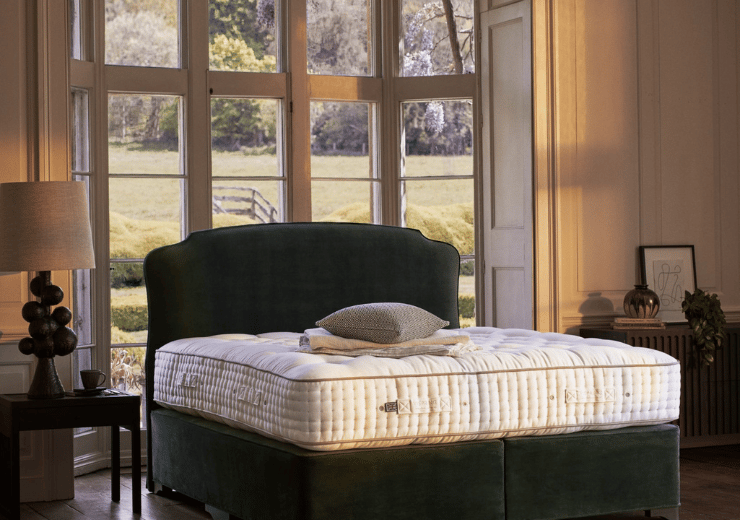
In this landscape, two names surface with distinctive approaches: Naturepedic and Vispring. Naturepedic’s mattresses often foreground organic cotton and plant-based fillings, aligning with GOTS-certified textiles and a health-forward narrative. Their products exemplify how organic materials can meet stringent safety and comfort demands, producing a sleep surface that feels clean, breathable, and reassuring for sensitive sleepers. Vispring, conversely, represents a pinnacle of artisanal luxury, layering natural fibers in complex, nested constructions that emphasize loft, pressure distribution, and climate control through natural materials. The Opulence mattress is a case study in how multiple natural fillings—from cashmere to mulberry silk—can be engineered into a cohesive surface that remains responsive to body movement while maintaining a refined, cool touch across the night.
A practical note: while these brands illustrate the spectrum, the broader lesson remains consistent—organic is not a monolith. It is a family of choices that intersect with your sleep style, climate, and values. The goal is to align your mattress with your personal sleep physiology and environmental priorities, rather than chasing a single label.
When evaluating an organic mattress, start with certifications, then assess the core materials. Look for explicit disclosures about the composition of the comfort layer (latex, wool, cotton, or blends) and the innerspring system if present. Temperature regulation is often a function of the entire layering—from the ticking to the comfort layer to the support core—so ask about ventilation channels, cover fabrics, and any cooling technologies used in the design. Consider the mattress’s height and overall feel: a taller, loftier surface may feel more luxurious but could require deeper sheets and thicker bedding. Finally, study the maintenance needs: are the covers removable and machine washable? How easy is it to rotate or flip, and what care regimes are recommended by the manufacturer?
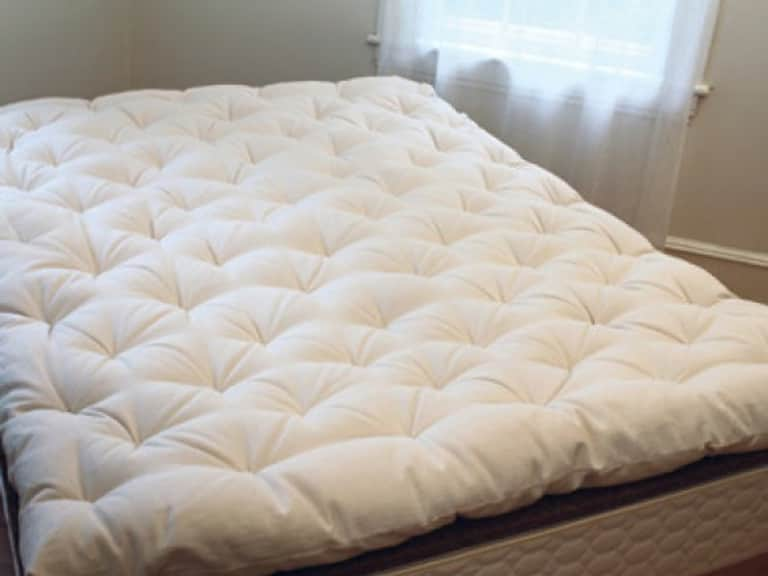
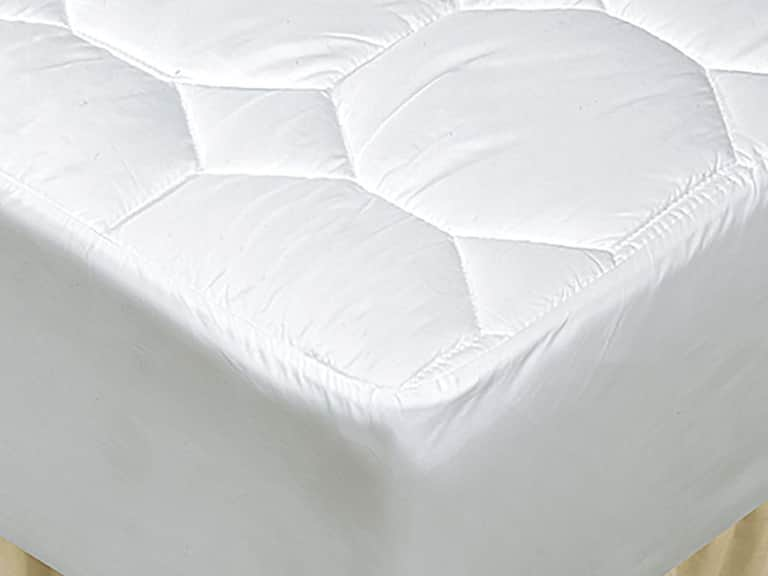
If you’re prioritizing the feeling of breathable luxury on top of a dependable mattress, the Downtown Company Luxury Cotton Mattress Pad is a refined choice. This pad features a plush 100% cotton fill paired with a cotton-blend honeycomb quilted cover, delivering a surface that feels both soft and resilient. With 18" deep pockets and a flexible jersey-knit skirt, it hugs a wide range of mattress depths, ensuring a smooth, secure fit night after night. Made in Austria and fully washable, it embodies the ideal of “effortless chic” in sleep—elevated protection and comfort without fuss. The understated white finish and tailored quilting provide a timeless touch, elevating the bed’s aesthetic while preserving its performance. For readers who want a tangible example of how organic or traditional layers translate to daily use, this mattress pad demonstrates the elegance of practical luxury: breathable, easy to care for, and consistently comfortable.
Product details at a glance:
In the Vogue editorial tradition of storytelling, three influential figures illuminate the enduring conversation between comfort, design, and science in sleep.
A pioneer of modern nursing, Nightingale’s insistence on clean, well-ventilated spaces translated into a broader cultural belief in hygiene and comfort as elements of healing. In mattress terms, her legacy can be read as a call for environments that promote air circulation, temperature balance, and clean surfaces—principles echoed today in breathable fabrics, breathable covers, and the push for low-toxicity materials in bedding. She would likely have endorsed products and practices that reduce irritants and enhance sleep quality for those recovering from illness or stress, celebrating designs that prioritize interior health as part of overall well-being.
A scientist whose devotion to empirical evidence and rigorous testing resonates with today’s consumer demand for transparency in certifications and materials. Curie’s ethos—data-driven, safety-conscious, and relentlessly curious—maps onto the modern buyer’s journey: seek credible testing, peer-reviewed sources, and consistent performance data when choosing an organic or traditional mattress. Her spirit underlines the value of independent verification and the integrity of claims—an ideal that should guide every review, comparison, and brand assessment in this article and beyond.
A muse of timeless elegance and tactile luxury, de la Falaise reminds us that sleep surfaces can be both functional and decadent. The narrative of sleep couture—soft textures, breathable layers, and thoughtfully designed support—echoes through the organic latex, wool, and cotton blends celebrated in premium mattresses. Her voice in fashion history inspires an appreciation for how pattern, texture, and material choice influence mood, comfort, and the perceived quality of rest. In the realm of organic versus traditional, she would celebrate the sensory pleasures of a well-made bed while acknowledging the significance of responsible, well-sourced materials.
The question of organic versus traditional mattresses is not simply about whether a product is labeled “organic.” It is about aligning your sleep environment with your physiology, climate, and values. It is about the honesty of the certifications you trust and the way you care for the space where you rest. It is about a surface that moves with you—supportive, breathable, durable—and a bedtime ritual that feels as luxurious as it is restorative. When you combine credible materials, clear certifications, and durable construction, you unlock a sleep experience that feels less like a product and more like a design philosophy—one that honors both wellness and style.
For further exploration, consider pairing your mattress choice with complementary bedding like the Downtown Company Luxury Cotton Mattress Pad for an elevated, breathable surface that complements an organic or traditional core. The result is a sleep sanctuary that reflects the best of both worlds: scientifically informed materials and a sensorial, Vogue-worthy approach to rest.
Disclaimer: This article provides educational insights and consumer guidance. For specific medical advice, consult a sleep professional.