Bedroom furniture includes the functional pieces that support sleep, organization, and everyday comfort. Beds, headboards, nightstands, and storage furniture help define how a room is used, while their size and placement can influence movement and available floor space. Understanding these roles makes it easier to plan a practical, restful bedroom.
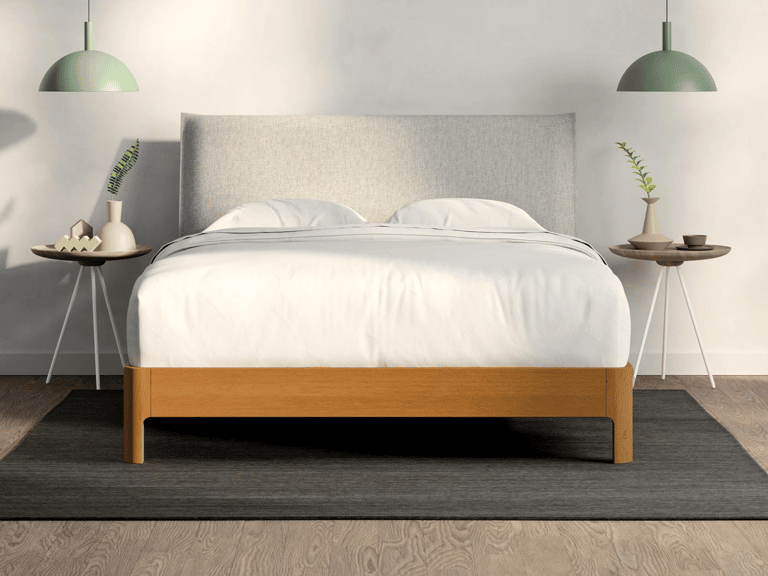
The Pillow Repose Headboard is a featured bedroom furniture item whose name emphasizes a pillow-oriented resting experience. A headboard provides a finished backdrop for the bed and can help keep pillows in place. Its form and dimensions are important considerations when coordinating it with a bed frame, mattress height, and room layout.
Bedroom comfort depends on how furniture works alongside bedding. Sheets suited to mattress dimensions help create a smooth sleeping surface, while pillows provide support shaped by personal sleeping position and preference. Memory foam pillows, for example, respond to pressure and contour around the head and neck, complementing the bed’s overall comfort setup.
Material selection is another factor in creating a bedroom environment that meets household needs. Organic mattresses are made with materials selected according to organic standards, while furniture finishes and construction affect durability and maintenance. Comparing dimensions, materials, and care requirements helps ensure that bedroom furniture and sleep products function well together.
When planning a bedroom, consider the relationship between the bed, headboard, pillows, sheets, and surrounding furniture. Allow enough clearance for movement and access to storage, and check product measurements before arranging the room. These practical details can support an organized layout and a comfortable setting for rest and daily routines.
 Furniture